OHS Act Compliance in the Workplace: More Than a Tick-Box Exercise
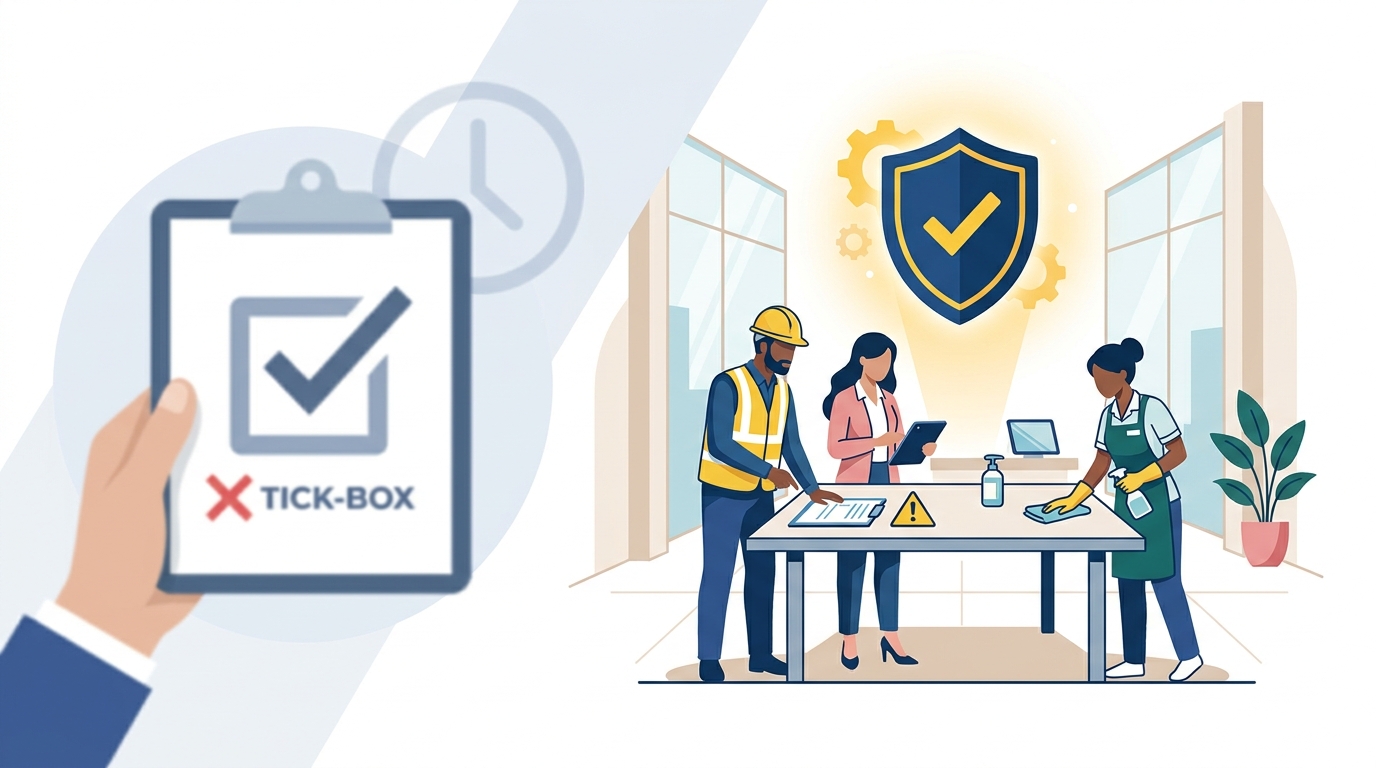
For every facilities manager responsible for a South African workplace, OHS Act compliance in the workplace is not optional — it is a legal imperative with real consequences. The Occupational Health and Safety Act, Act 85 of 1993, places direct, enforceable obligations on employers to maintain safe and hygienic working environments. Yet cleanliness — one of the most visible and measurable indicators of a safe workplace — is frequently underestimated as a compliance function. It is treated as a cost to be minimised rather than a standard to be maintained. That misunderstanding can expose your organisation to inspection failures, enforcement notices, civil liability, and reputational damage. This guide exists to close that gap.
At Cleaning Africa Services, we work alongside facilities managers, health and safety officers, and operations teams across South Africa every day. We understand what the Act requires, what inspectors look for, and what happens when cleaning standards slip. Here is what you need to know.
Understanding the OHS Act: The Sections That Directly Affect Cleaning and Hygiene
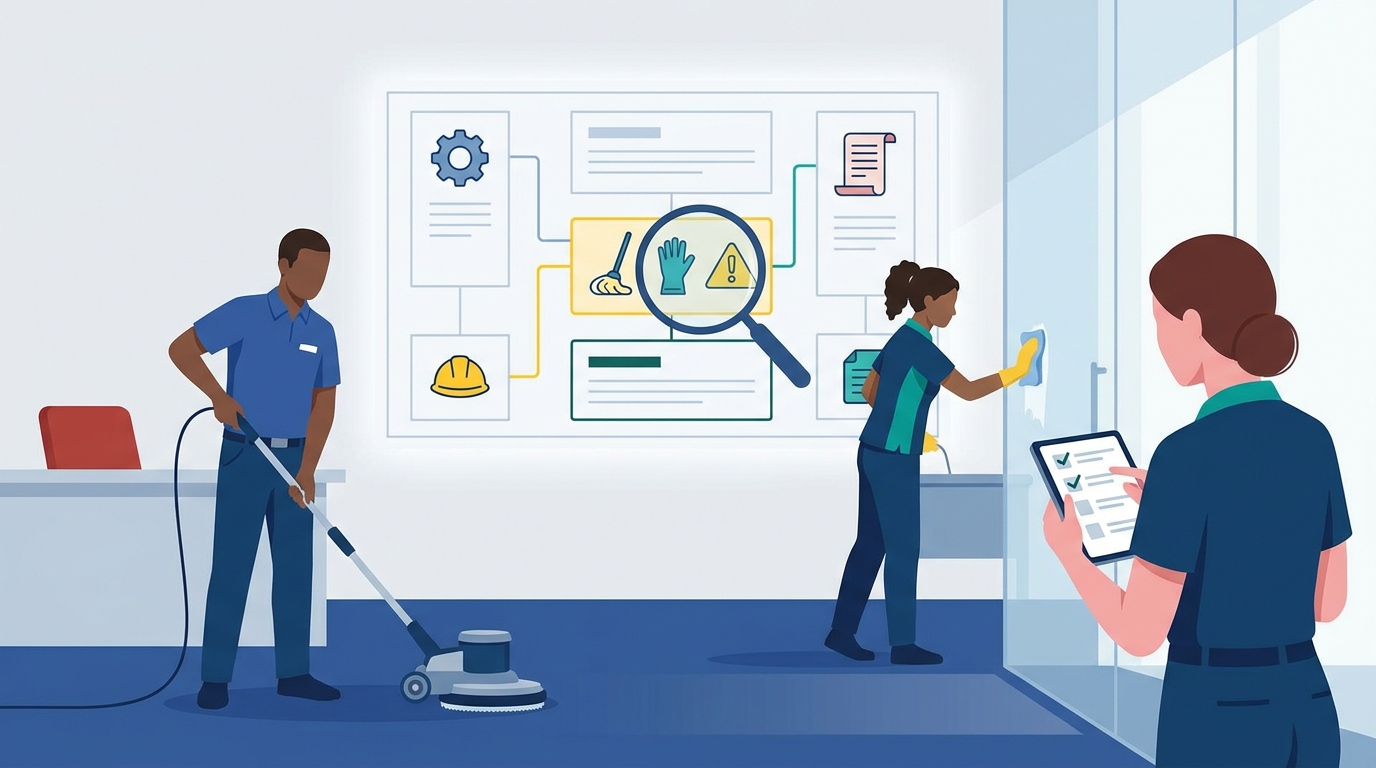
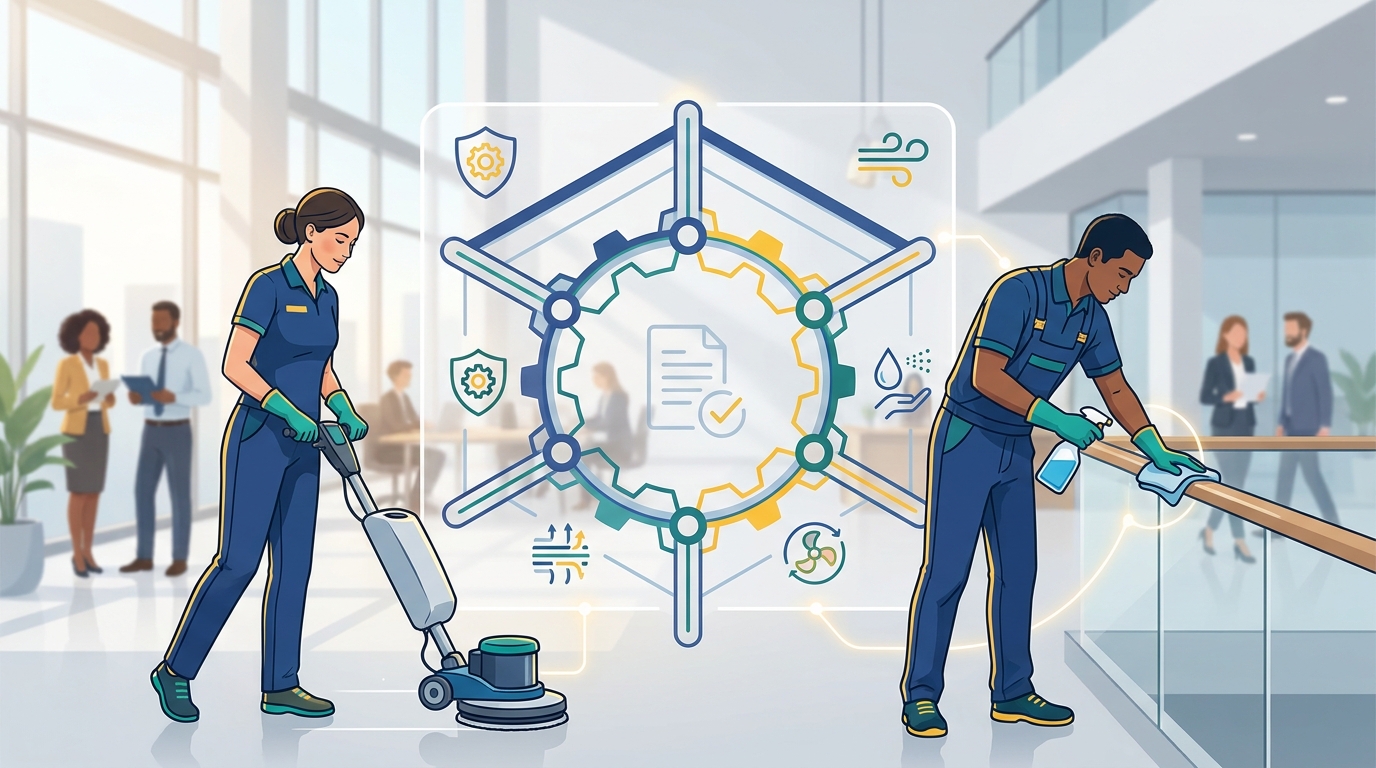
The Occupational Health and Safety Act (Act 85 of 1993) establishes a broad framework for workplace safety in South Africa. Several sections speak directly — or with clear practical implication — to cleaning, hygiene, and environmental safety obligations.
Section 8: The General Duty of Care
Section 8 is the cornerstone of employer responsibility under the OHS Act. It requires every employer to provide and maintain, as far as is reasonably practicable, a working environment that is safe and without risk to the health of employees. This is not a passive obligation. The word maintain is critical — it means ongoing, systematic action, not a once-off intervention.
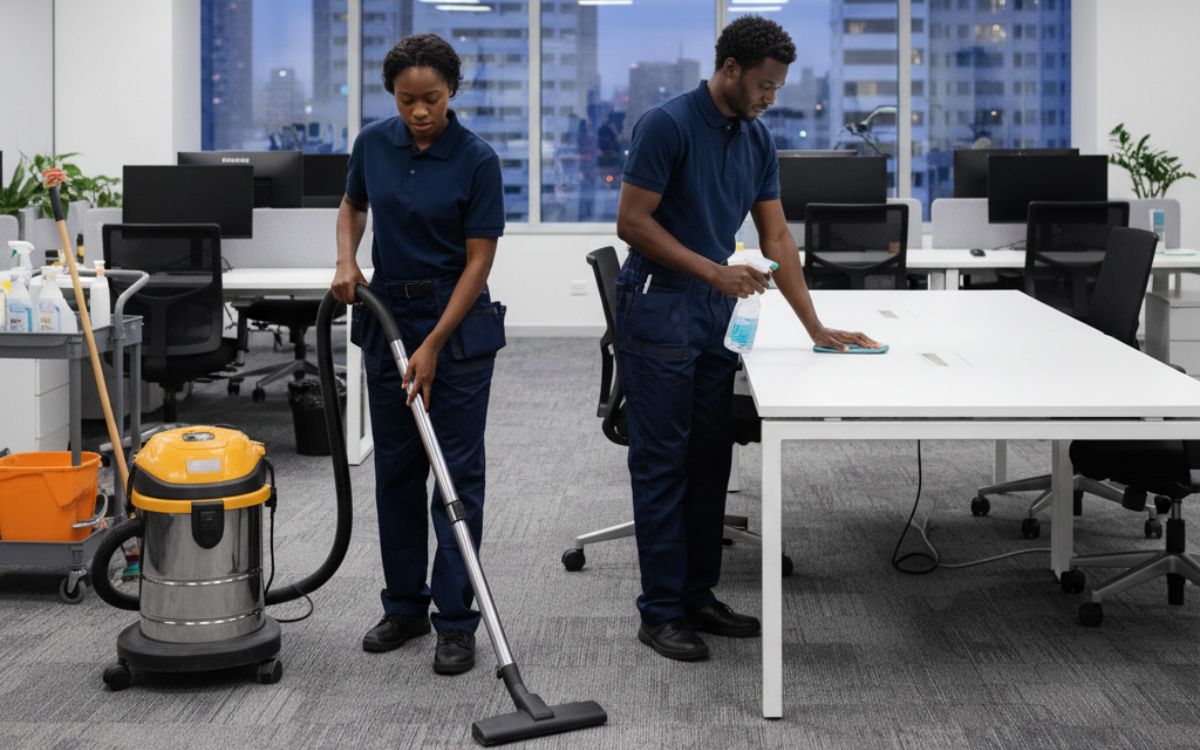
In practical cleaning terms, Section 8 means that an employer who allows floors to remain wet and slippery, permits waste to accumulate in work areas, or neglects the sanitisation of shared facilities such as kitchens and ablutions is in breach of their general duty of care. Should an employee suffer injury or illness that can be linked to those conditions, the employer faces direct legal exposure.
Section 9: Duty of Care Toward Non-Employees
Section 9 extends the employer’s duty of care beyond their own staff. It requires that the activities of the employer do not expose persons other than employees — visitors, contractors, clients, and members of the public — to hazards. For facilities managers in commercial buildings, retail environments, healthcare facilities, and schools, this section is particularly significant. A client who slips on an unswept wet floor, or a contractor who is exposed to a biohazard in an inadequately cleaned area, falls squarely within the scope of Section 9.
Section 14: Employee Duties and Shared Responsibility
Section 14 places duties on employees themselves — to take care of their own health and safety and that of others, and to cooperate with the employer in maintaining compliance. This section is relevant to workplace hygiene programmes because it creates a shared responsibility framework. When employers implement structured cleaning protocols and hygiene standards, they are not only meeting their own obligations — they are also creating the conditions in which employees can fulfil theirs. A clean, well-maintained environment supports a culture of care and accountability across the entire organisation.
The General Safety Regulations and Facilities-Specific Requirements
Beyond the primary sections, the OHS Act is supplemented by the General Safety Regulations, which include specific requirements for the cleanliness of floors, the management of hazardous substances, the maintenance of ablution facilities, and the keeping of passageways and emergency exits clear and unobstructed. These regulations give teeth to the broader duties in Sections 8 and 9, and they are the specific standards against which workplace inspections are conducted.
What Non-Compliance Looks Like in Practice
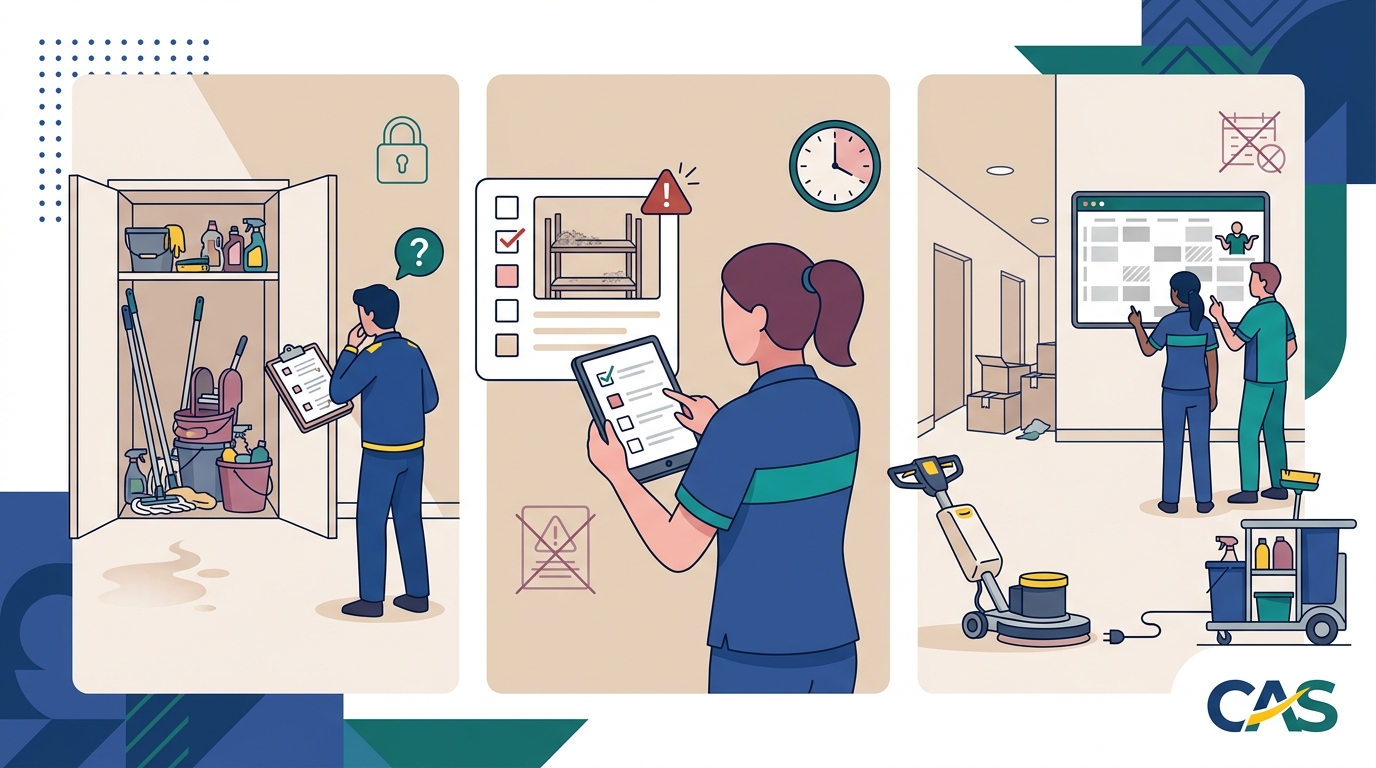
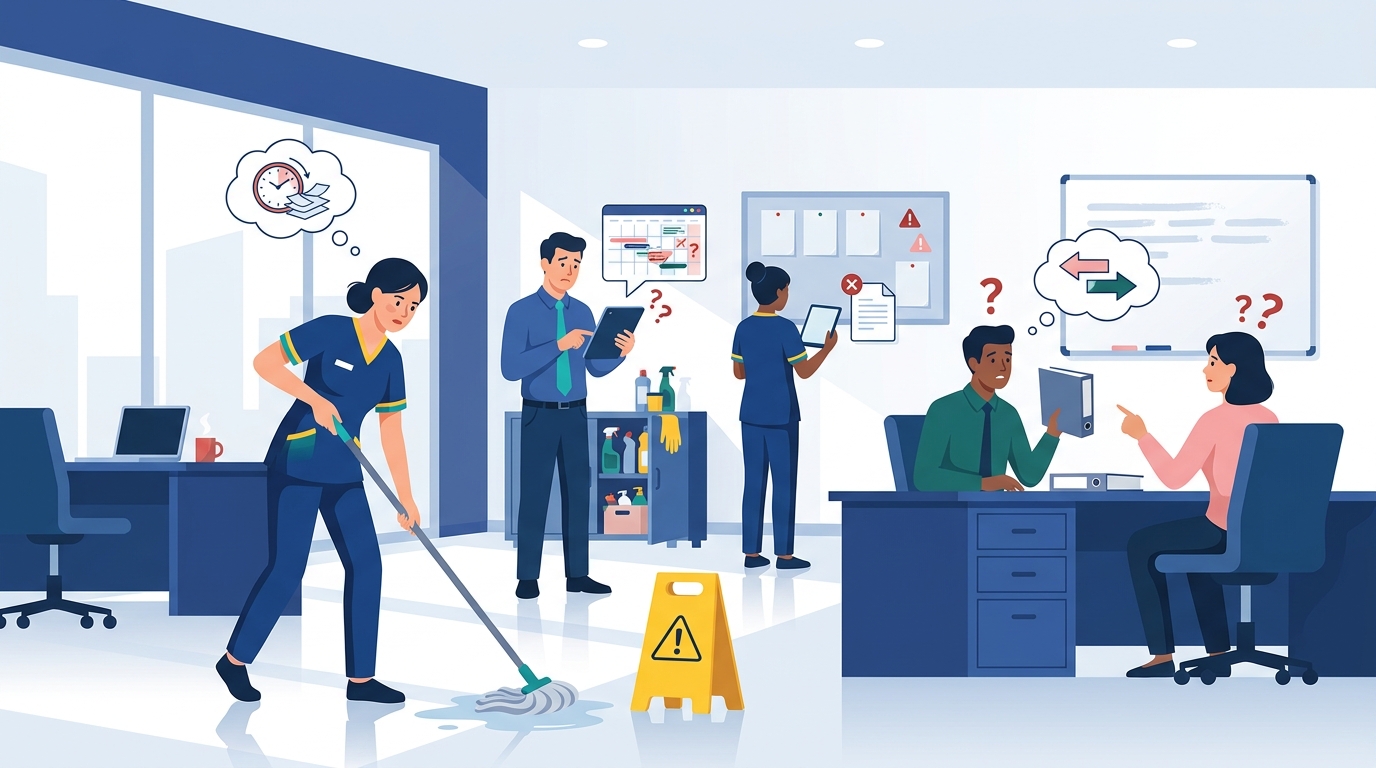
OHS Act non-compliance is rarely the result of deliberate negligence. More often, it is the result of inadequate systems — cleaning that is reactive rather than scheduled, responsibilities that are unclear, and standards that are assumed rather than documented. These are the most common failure points that inspectors identify, and that facilities managers must actively guard against.
Dirty High-Touch Surfaces
High-touch surfaces — door handles, lift buttons, shared equipment, countertops, and tap fittings — accumulate pathogens rapidly. In environments where multiple people interact with the same surfaces throughout the day, inadequate cleaning of these points creates a direct and foreseeable health risk. Under Section 8, an employer who does not implement a structured approach to high-touch surface sanitisation is failing in their duty to maintain a safe environment. This became especially visible during the COVID-19 pandemic, but the obligation exists independently of any specific outbreak. It is a permanent hygiene standard.
Blocked Emergency Exits and Cluttered Passageways
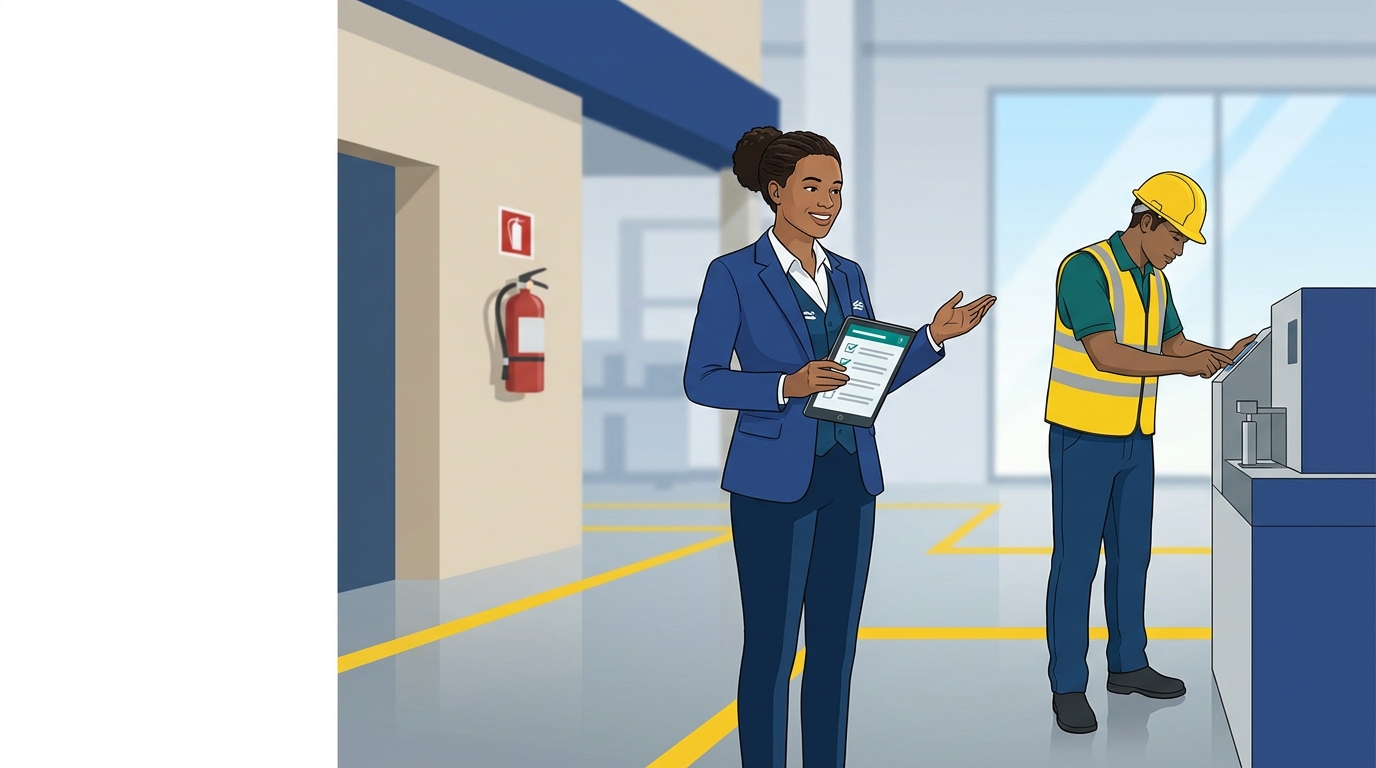
One of the most cited violations during OHS inspections is the obstruction of emergency exits and evacuation routes. This is not exclusively a cleaning failure — it is also a housekeeping failure — but it falls within the domain of the cleaning and facilities management function. Boxes stacked near fire doors, waste bags left in corridors, and cleaning equipment stored in passageways all create real evacuation hazards. The General Safety Regulations are explicit: evacuation routes must be kept clear at all times. A professional cleaning operation, operating to documented standards, treats passageway and exit clearance as a non-negotiable part of every service cycle.
Pest Infestations
Pest infestations — cockroaches, rodents, flies — are both a hygiene failure and a direct health and safety risk. They are almost always preceded by inadequate cleaning: food residue left in break rooms, waste bins not emptied on schedule, floor areas beneath equipment not regularly cleaned. Under Section 8, an employer whose premises have become infested cannot argue that they were unaware if the conditions that enabled infestation were allowed to develop over time. Regular, thorough cleaning is the primary preventive measure, and a documented cleaning programme creates the evidence trail that demonstrates proactive compliance.
Biohazard Exposure
In healthcare facilities, laboratories, food-handling environments, and any workplace where bodily fluids or hazardous substances may be present, improper cleaning and inadequate biohazard management create serious occupational health risks. The OHS Act, read alongside the Hazardous Chemical Substances Regulations and the Environmental Regulations for Workplaces, requires that these risks be systematically controlled. Professional cleaning teams trained in biohazard handling, equipped with appropriate personal protective equipment, and operating to documented procedures are an essential part of this control framework.
Inadequate Ablution and Welfare Facilities
The Environmental Regulations for Workplaces, promulgated under the OHS Act, specify minimum standards for the provision and maintenance of ablution facilities, change rooms, and rest areas. Facilities that are not cleaned regularly, that run out of soap and sanitary supplies, or that fall into a state of disrepair are in breach of these regulations. Inspectors check these areas as a matter of routine, and the state of your ablution facilities is often treated as a proxy indicator of your broader commitment to workplace health and safety standards.
Professional Contract Cleaning as a Systematic Compliance Solution
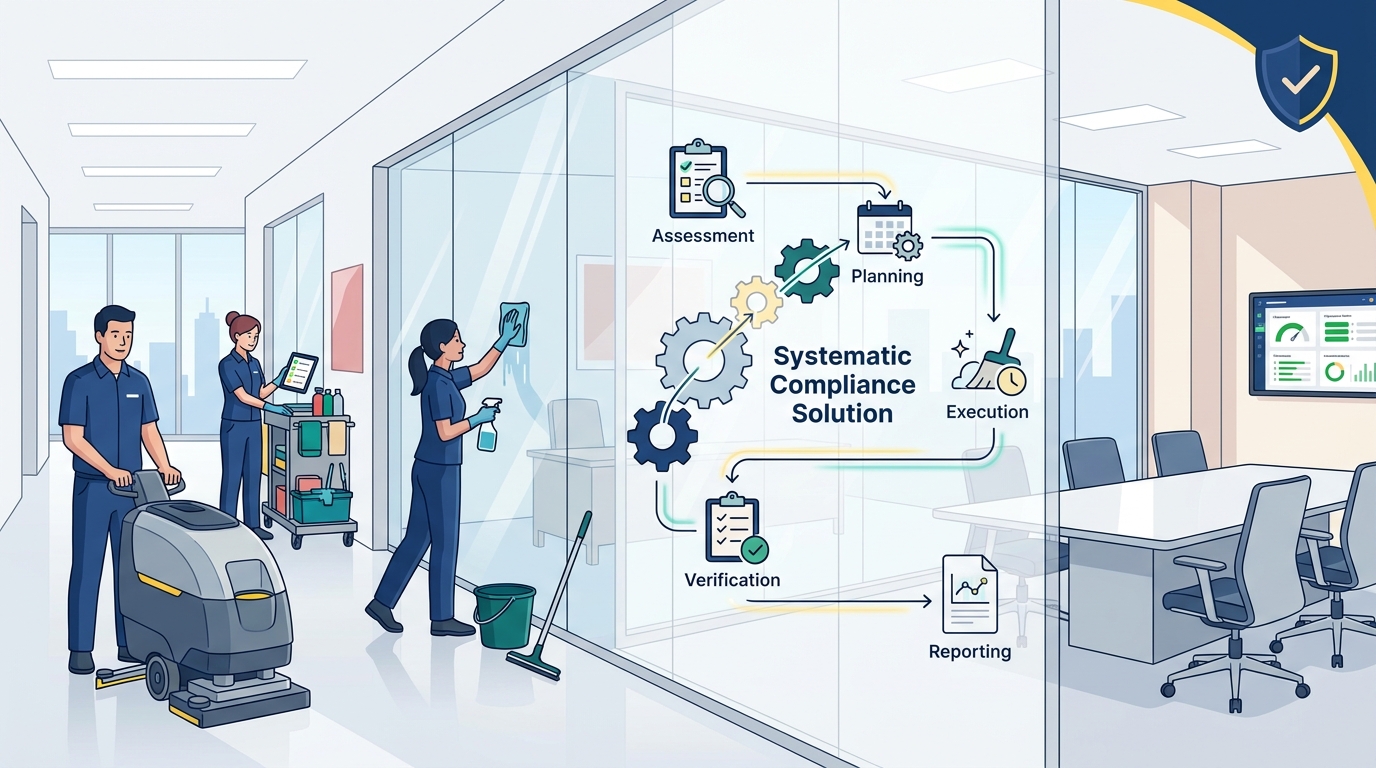
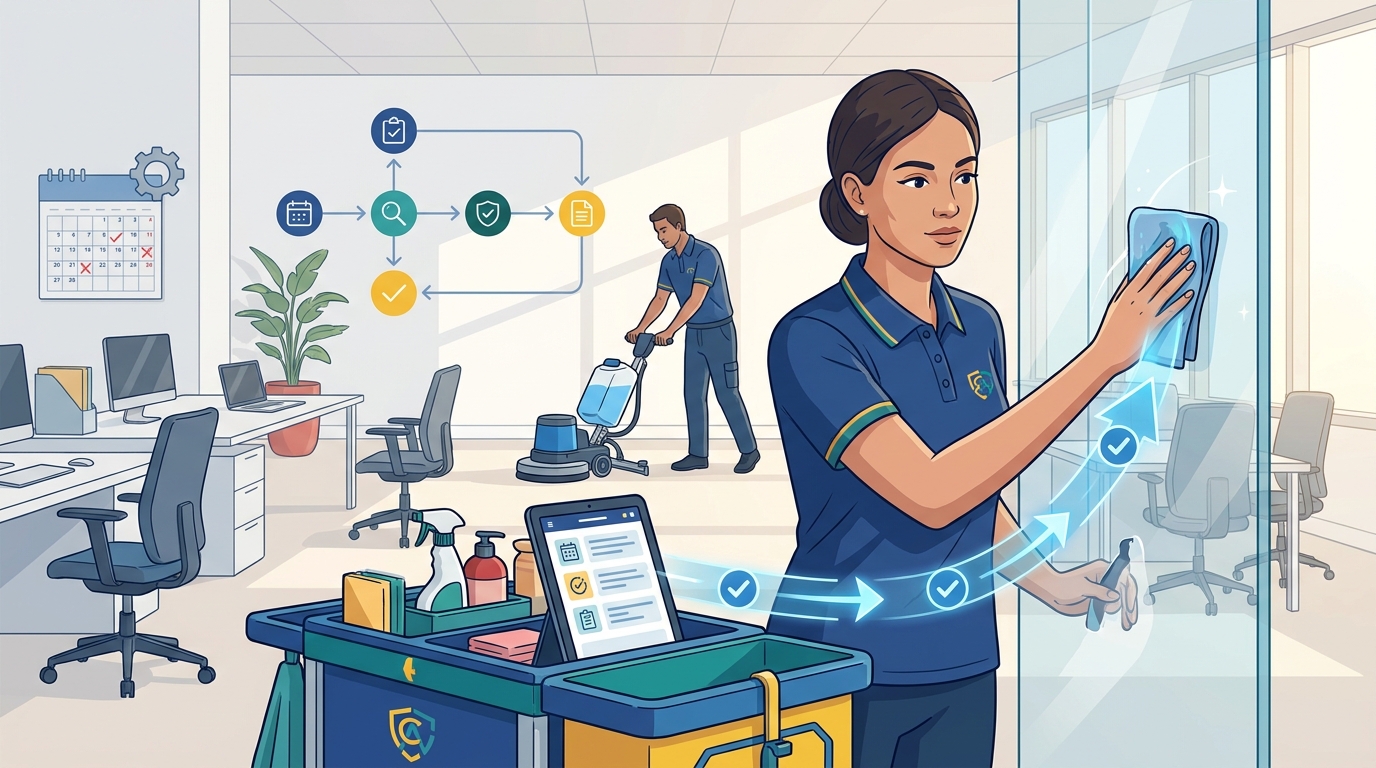
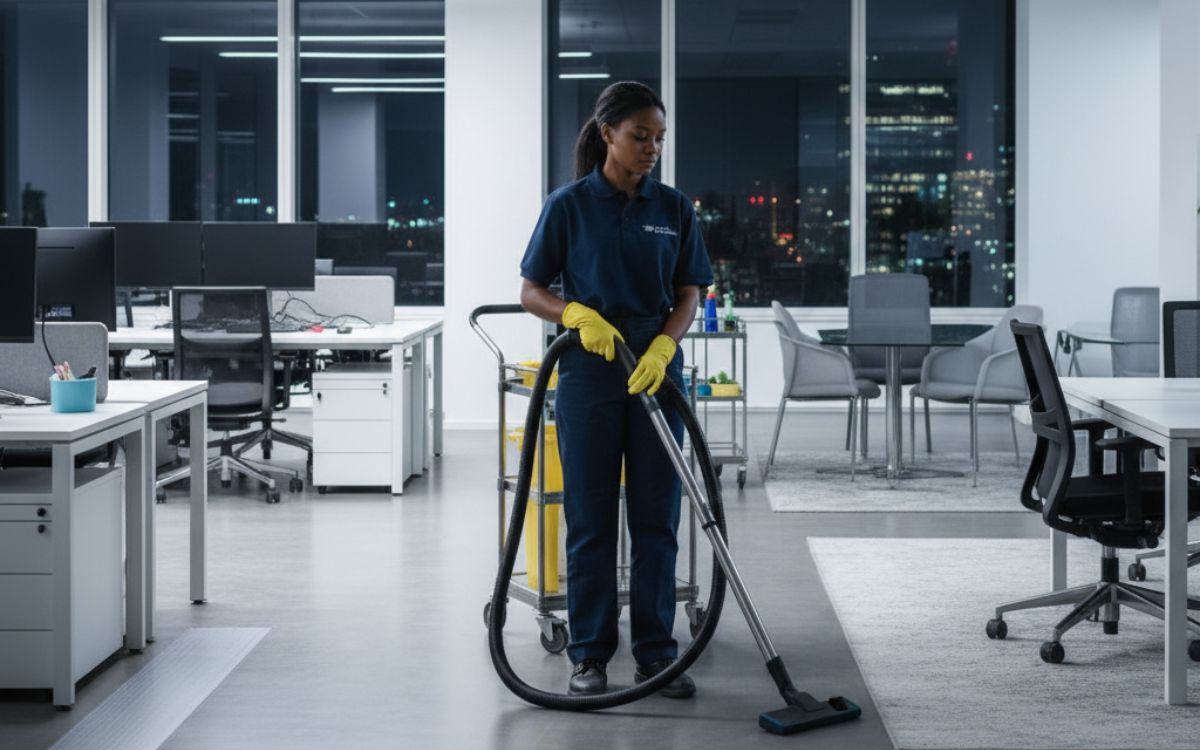
The challenge with managing OHS cleaning requirements internally is consistency. Staff get sick, priorities shift, and cleaning becomes reactive — something that happens in response to visible dirt rather than on a structured schedule designed to maintain hygiene standards. This is where professional contract cleaning transforms the compliance picture.
Documented, Auditable Cleaning Schedules
A professional cleaning contractor provides documented cleaning schedules that specify what is cleaned, how often, by whom, and to what standard. These records are your evidence of compliance. During an OHS inspection or a civil liability inquiry, the ability to produce dated, signed cleaning logs demonstrating consistent maintenance of your facility is a significant protective asset. At Cleaning Africa Services, we build this documentation into every contract as standard practice — not as an optional extra.
Trained Teams with the Right Equipment and Products
Workplace compliance South Africa requires not just cleaning, but correct cleaning — using approved products appropriate to the surface, the environment, and the risk level. Our teams are trained to understand the difference between cleaning, sanitising, and disinfecting, and to apply the right approach in the right context. In healthcare environments, food-preparation areas, and industrial facilities, this distinction is not semantic — it is a compliance requirement.
Hazardous Waste Management and Biohazard Protocols
Cleaning Africa Services operates with established protocols for the handling and disposal of hazardous waste, including biohazardous materials. Our teams are equipped with appropriate PPE and trained in safe handling procedures aligned with the requirements of the OHS Act and its associated regulations. This protects your employees, your visitors, and your organisation’s legal standing.
A B-BBEE Level 1 Partner You Can Trust
Beyond technical capability, facilities managers are increasingly required to demonstrate that their service providers contribute to transformation goals. Cleaning Africa Services holds B-BBEE Level 1 status — the highest recognition available — meaning that partnering with us contributes directly to your organisation’s own B-BBEE scorecard. Compliance, in other words, extends beyond the OHS Act. We help you meet your obligations across the full spectrum of South African regulatory requirements, while delivering the consistent, high-quality service your facility deserves.
Key Takeaways for Facilities Managers
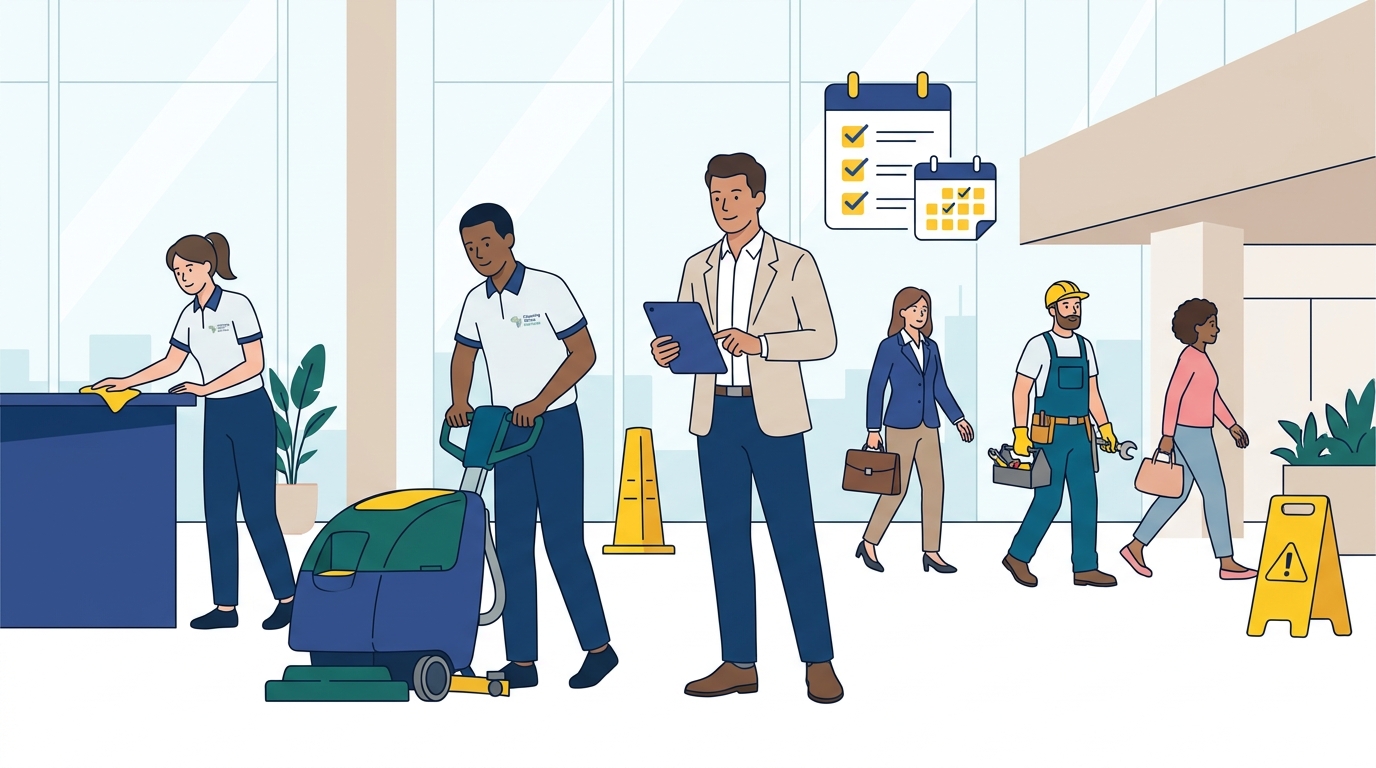
- Section 8 of the OHS Act requires you to actively maintain a safe environment — reactive cleaning is not sufficient to meet this standard.
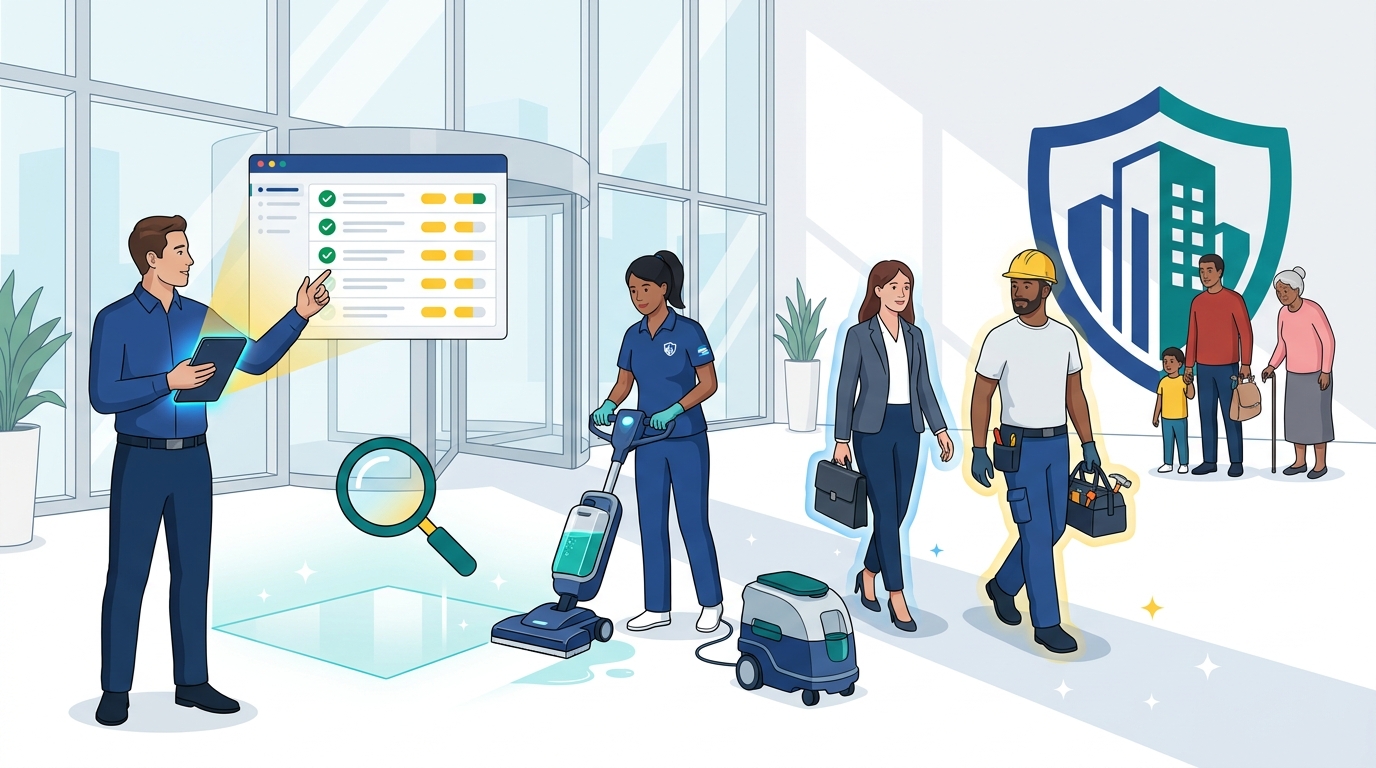
- Section 9 extends your duty of care to visitors, contractors, and members of the public — your cleaning standards must protect everyone in your facility.
- Section 14 creates shared responsibility — a structured cleaning programme supports a culture of compliance across your entire team.
- Common compliance failures include dirty high-touch surfaces, blocked emergency exits, pest infestations, biohazard exposure, and poorly maintained ablution facilities.
- Documented cleaning schedules and service records are your evidence of compliance — a professional contractor provides these as a matter of course.
- Professional contract cleaning is not a cost centre — it is a risk management function with direct bearing on your legal, operational, and reputational standing.
Go Deeper: How OHS Act Regulations Shape Cleaning Standards
This guide has covered the essential framework, but the practical application of Occupational Health and Safety Act cleaning obligations goes further — into specific regulations, sector-specific requirements, and the detailed standards that govern how different types of facilities must be maintained. For a more detailed exploration of how OHS Act regulations directly shape cleaning standards in South African workplaces, we encourage you to read our dedicated resource: How OHS Act Regulations Shape the Cleaning Standards in South African Workplaces. It is a practical, operational reference that complements this compliance overview and provides the additional depth that facilities managers and health and safety representatives need.
Ready to Make Compliance Part of Your Cleaning Contract?
At Cleaning Africa Services, we are big enough to deliver consistent, professional results across your entire facility — and small enough to care about every detail that keeps your workplace safe, compliant, and running at its best. Whether you manage a single site or a national portfolio of facilities, we build cleaning programmes designed around your specific OHS Act compliance obligations, your operational requirements, and your organisational values.
Contact Cleaning Africa Services today to discuss a cleaning solution that does more than keep your facility looking good — one that keeps it genuinely, documentably, and sustainably compliant.