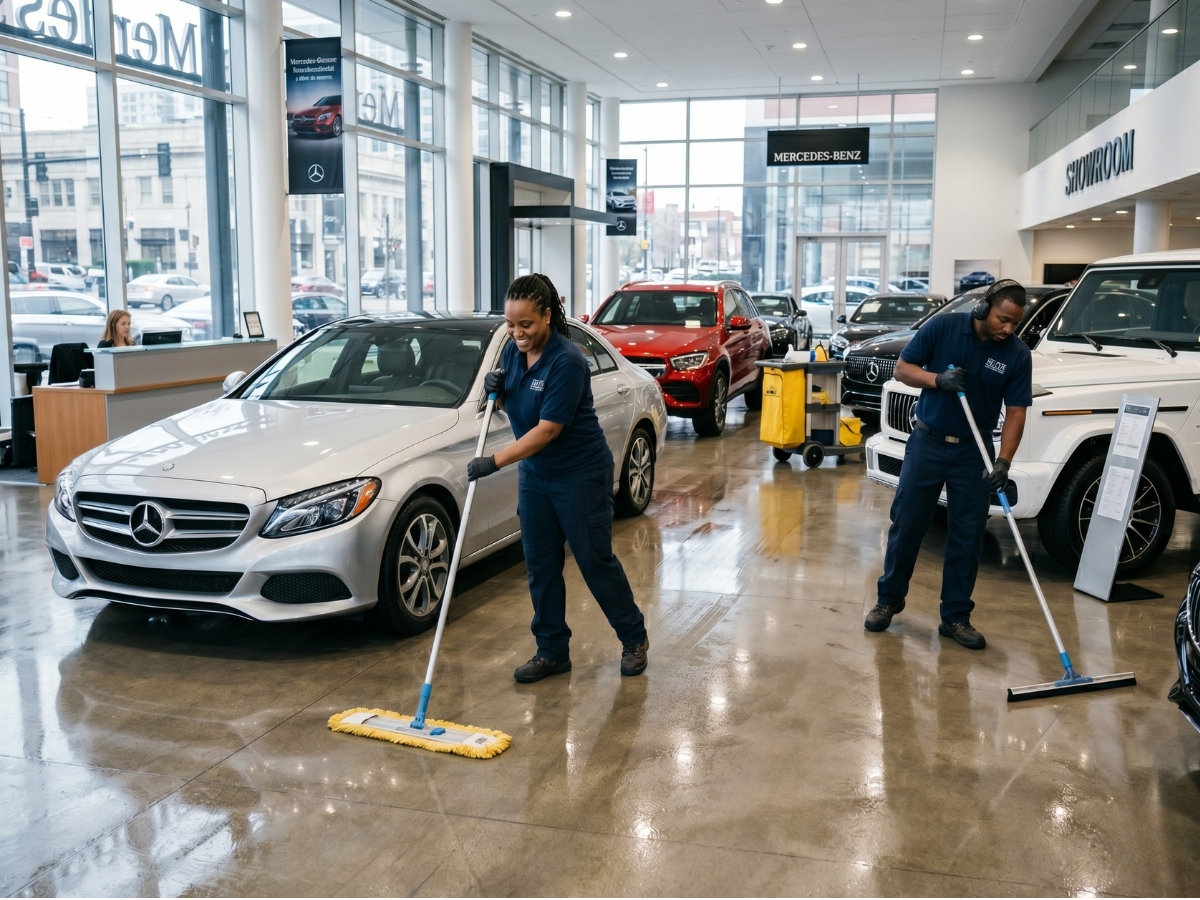
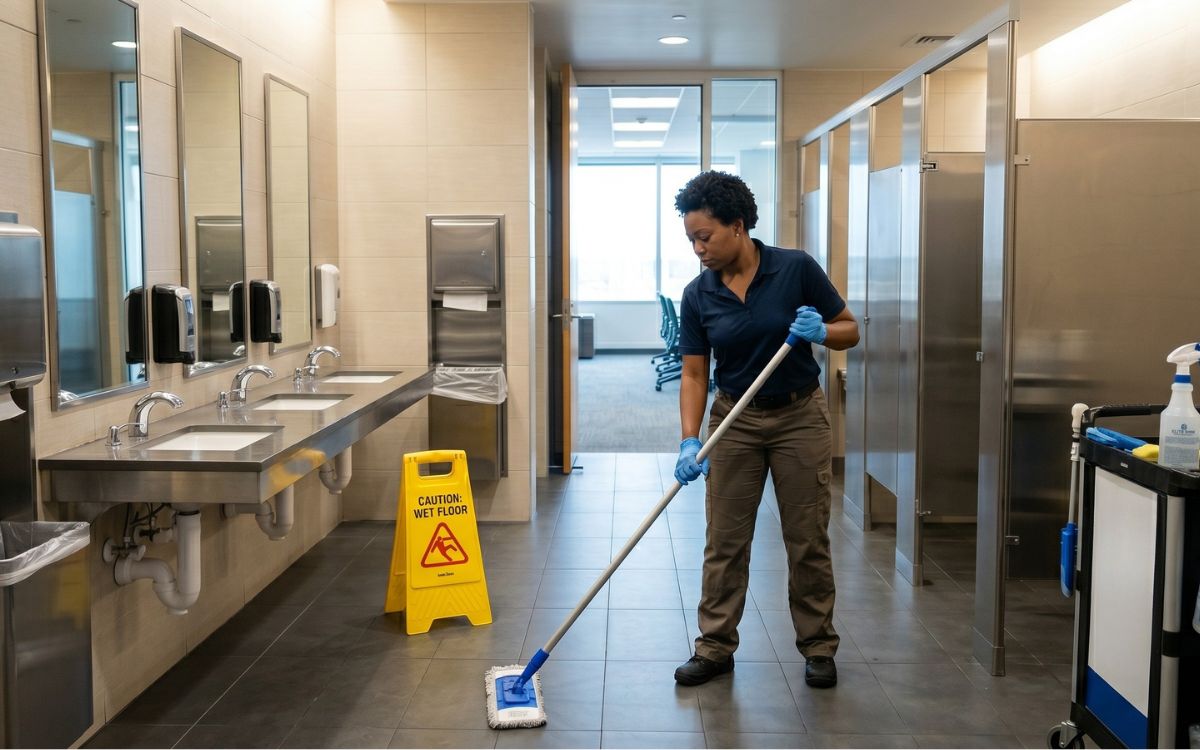
Industrial cleaning compliance in South Africa is not a back-office concern. It sits at the center of your legal duties, your operational continuity, and your responsibility to every person who enters your site. Many facilities still treat cleaning as a reactive task, something that happens when a spill occurs or when an audit is coming up. That approach carries serious risk.
A formal, documented cleaning plan is the foundation of a compliant, safe, and productive manufacturing or logistics environment. In a context where regulators and clients expect clear proof of control over hygiene risks, an informal approach is no longer enough.
The Unique Hazards of Industrial Environments
Industrial facilities face hygiene and safety risks that are very different to offices or retail spaces. Four common hazards need special attention in any industrial cleaning plan:
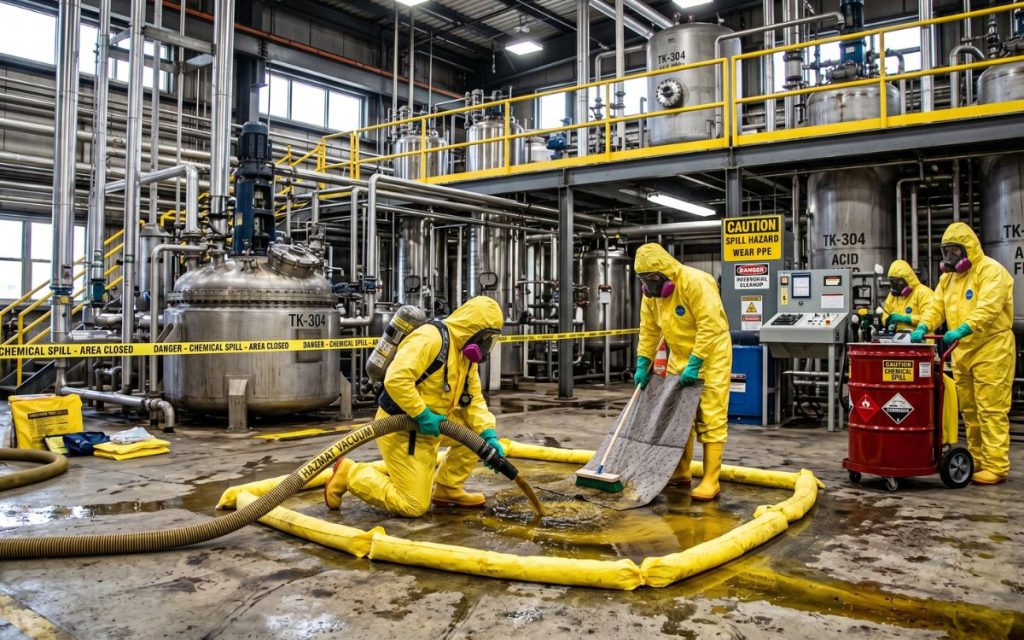
Chemical Spills and Residue
Manufacturing environments often involve solvents, lubricants, cleaning agents, and process chemicals. When these substances are not controlled by a clear cleaning protocol, residue can build up on floors, equipment, and drainage systems. Poor or delayed cleanup creates slip hazards, may trigger chemical reactions, and can result in environmental non-compliance if substances enter stormwater systems.
Cleaning staff in these environments must be trained in emergency cleaning, including chemical handling and knowing the right personal protective equipment for every task they perform.
Machine Oil and Lubricant Accumulation
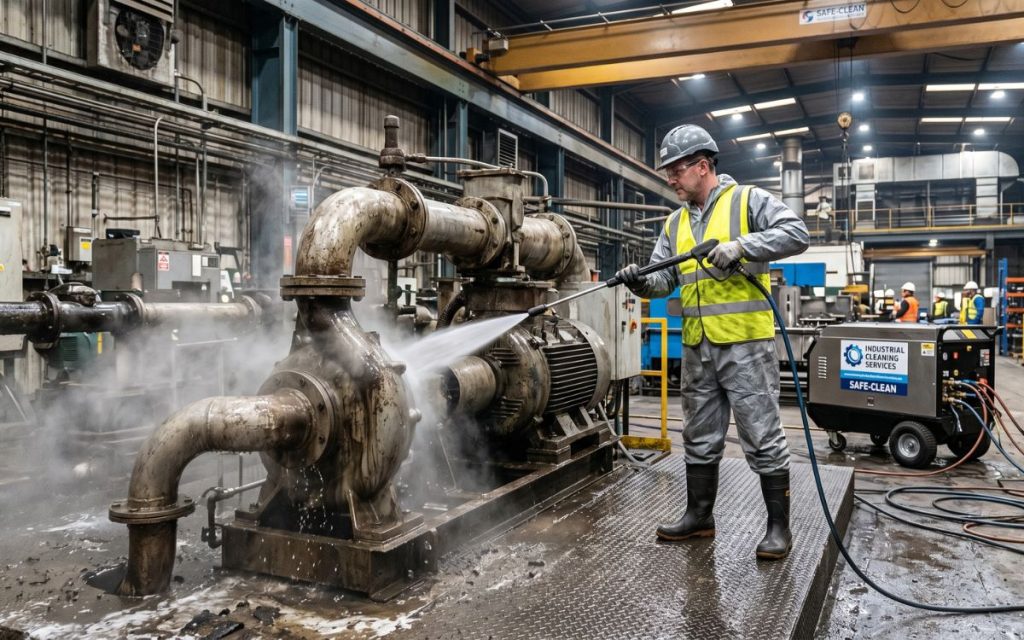
Heavy machinery produces oil and grease as a normal part of operation. Over time, this build-up becomes a serious safety hazard, both a slip risk and a fire risk in areas where heat or sparks are present. A compliance-grade industrial cleaning plan sets regular degreasing schedules around machinery, so build-up never reaches dangerous levels. This is not a task that can be left to ad hoc attention.
Dust and Airborne Particulates
Dust build-up is a constant hazard in many industrial settings, including woodworking, textile manufacturing, metal fabrication, and grain handling. Fine particulate matter can harm workers’ lungs and, at high levels, can present an explosion risk in some environments.
An effective manufacturing facility OHS cleaning plan deals with dust at the source. It includes scheduled extraction cleaning, surface wiping routines, and the use of suitable equipment that prevents dust from being pushed back into the air during cleaning activities.
Pest Risk from Food Waste and Organic Material
In food processing facilities and in any industrial site where workers eat on-site, organic waste attracts pests. Rodents, cockroaches, and flies are not only a hygiene concern. They are a compliance risk that can shut down a food-grade operation quickly.
A cleaning plan for factories in South Africa that handle food or canteen areas must include scheduled waste removal, deep cleaning of canteens, and regular sanitation of any space where food is prepared, stored, or eaten.
What the OHS Act Requires: Industrial Hygiene Obligations Explained
In South Africa, the OHS Act makes industrial hygiene a legal requirement, with obligations that are practical and specific. These include:
- Duty to provide a safe workplace: Employers must provide and maintain a working environment that is safe and without risk to workers’ health. Cleaning is one of the main ways to remove or reduce these risks.
- Identify hazards and assess risks: Facilities must identify hygiene hazards (like spills, dust, or waste) and assess how likely they are to cause harm. This forms the basis of your industrial cleaning compliance in South Africa.
- Use cleaning as a control measure: Cleaning is a practical control that physically removes hazardous substances and contamination. You must be able to show that this work is planned, carried out, and supervised.
- Document what you do: It is not enough to say the site is cleaned. You need records of what was cleaned, when, by whom, and with which methods and chemicals, to prove compliance with the industrial hygiene requirements of the OHS Act.
- Remain accountable for contractors: Even if you outsource cleaning, you keep legal responsibility for what happens on your site. Your cleaning provider must follow the OHS Act, use trained staff and proper PPE, and support your compliance record.
What a Compliance-Grade Industrial Cleaning Programme Includes
It’s vital to know what a structured cleaning plan for factories in South Africa must contain to meet compliance standards. Here is what a professional, compliance-first programme looks like in practice.
Scheduled Cleaning Rotations Tailored to Your Operation
A compliant cleaning plan is a written schedule built around the specific activities, hazards, and layout of your facility.
Typical tasks include:
- Daily tasks such as floor cleaning, waste removal, and ablution block sanitation
- Weekly tasks such as equipment degreasing, drainage clearing, and high-surface dusting
- Monthly or quarterly deep clean cycles for machinery surrounds, canteens, and storerooms
Each task needs a set frequency, a responsible person, and a sign-off requirement.
Trained Staff with Chemical Handling Certification
In an industrial environment, not every cleaning agent is safe in every situation. Staff who work with degreasers, disinfectants, or specialist industrial chemicals must be trained in safe handling, dilution, storage, and disposal.
Incident Documentation and Reporting
When something goes wrong, such as a chemical spill, a slip, or a near-miss, the response and the record both matter. A compliance-grade cleaning programme includes a clear incident reporting process: what happened, when it happened, who was involved, what action was taken, and what will prevent it from happening again.
Third-Party Auditing and Quality Assurance
Internal sign-offs are useful, but independent checks add credibility when clients, insurers, or regulators look at your compliance position. A professional cleaning partner should perform regular site audits. These audits check whether scheduled tasks are completed, whether standards are maintained, and whether any new hazards require updates to the cleaning plan.
Alignment with Your Existing OHS Framework
Your cleaning plan should not stand on its own. It should fit into your broader OHS management system. This means linking it to hazard identification and risk assessment (HIRA) documents, your emergency response plan, and your PPE register.
Practical Steps to Get Started
If your facility does not have a formal cleaning plan in place, or if your current plan has not been checked against the latest OHS requirements, you can start with these five steps:
- Conduct a hygiene hazard walkthrough: Walk your facility with your Health and Safety Officer and your cleaning service provider. Identify every area where hazards build up, every high-risk surface, and every task that does not have a clear written protocol.
- Map cleaning needs to OHS duties: For each hazard you find, confirm what the OHS Act expects in terms of control measures. Make sure your industrial cleaning plan addresses those requirements in a direct way.
- Formalise your cleaning schedule in writing: Move away from verbal instructions and informal arrangements. Put every task, every frequency, and every responsible person into a written plan with a sign-off process.
- Verify your service provider’s credentials: Confirm that your cleaning partner employs trained and certified staff, carries suitable liability insurance, and can provide documentation to support your industrial cleaning compliance in South Africa.
- Build in a review cycle: Treat your cleaning plan as a living document. Review it at least once a year, and whenever your facility’s operations, layout, or chemical use changes in a meaningful way.
Take the Next Step Towards a Compliant Facility
If you are responsible for a manufacturing or logistics site, now is a good time to ask whether your current cleaning arrangements meet the standard that the OHS Act and your clients expect. A clear, documented industrial cleaning plan is one of the strongest tools you have to protect your people, your operations, and your reputation.
Contact Cleaning Africa Services today to request a free quote. Our team can assess where your current programme stands, show you what gaps need attention, and help you put a compliance-first cleaning plan in place that supports safe, reliable production.