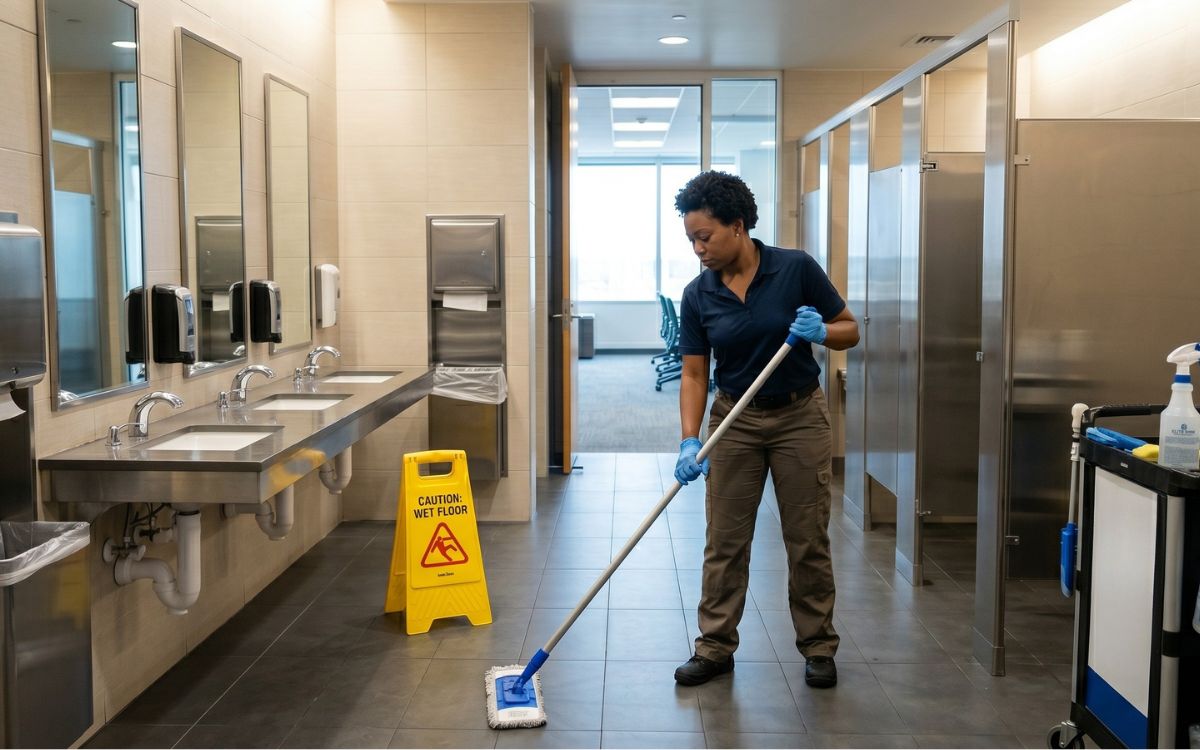
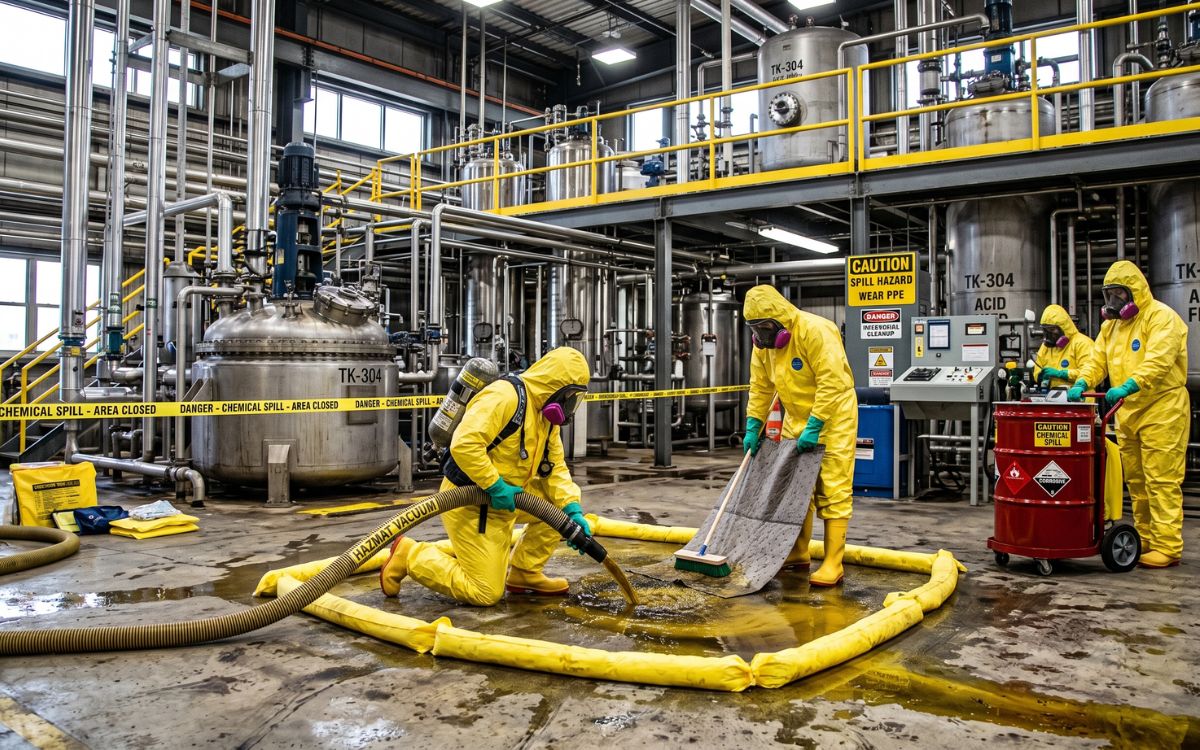
When facilities managers think about OHS compliance, they often focus on fall protection, electrical safety or personal protective equipment. What often drops off the radar is waste management, and that gap can be costly. Waste management OHS compliance in South Africa is not a side issue. It is a clear legal duty under the Occupational Health and Safety Act. If you do not meet that duty, you face enforcement action, legal risk and, most importantly, real harm to the people who work in your building every day.
This guide explains the legal framework, the main risks that poor waste handling creates and what a compliant, professionally managed waste programme looks like in practice.
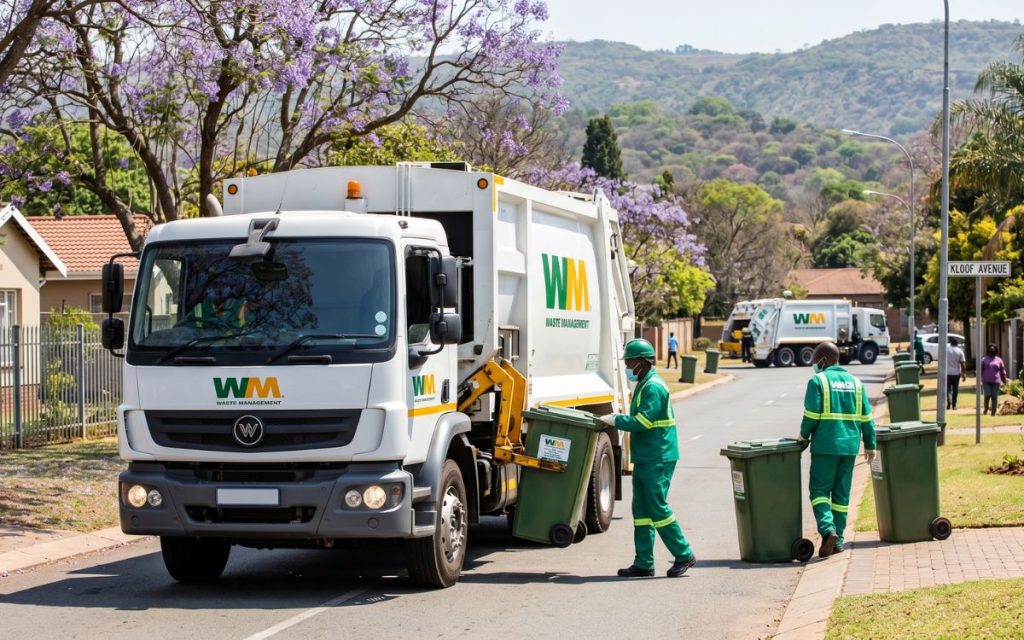
The Legal Framework: Two Acts, One Standard
Understanding your obligations starts with knowing which laws apply. In South Africa, commercial waste management sits at the intersection of two main laws: the Occupational Health and Safety Act and the National Environmental Management: Waste Act.
The Occupational Health and Safety Act (No. 85 of 1993)
This Act sets out your duty to protect employees’ health and safety at work, including how you manage waste.
- Core duty of care: Employers must provide and maintain a working environment that is safe and without risk to employees’ health. This duty includes how you handle, store and remove waste, not just machinery or obvious hazards.
- Section 8: Remove or reduce hazards: Employers must take reasonably practicable steps to remove or reduce hazards. Waste that is not separated correctly, stored in proper containers or collected often enough can create the kind of risk the OHS Act is meant to prevent.
- Waste as an OHS hazard: Poor waste management can lead to pests, fire risks, spills and exposure to hazardous or infectious materials. All of these are seen as workplace hazards under the OHS Act.
- Inspection and enforcement powers: Inspectors from the Department of Employment and Labour can issue notices, impose fines or, in serious cases, shut down operations if they find non-compliance linked to waste.
The National Environmental Management: Waste Act (No. 59 of 2008)
This Act governs how all types of waste are classified, handled and disposed of in South Africa. It applies directly to commercial and industrial operations.
- Waste hierarchy: The Act promotes a waste hierarchy that prioritises reduction, reuse and recycling before disposal. This affects how you design and manage your waste processes on-site.
- Hazardous waste definitions: NEMWA defines what counts as hazardous waste and sets rules for handling, storage and disposal. This is key to hazardous waste OHS Act alignment and broader environmental compliance.
- Licensing and registered providers: Certain waste activities and facilities must be licensed. In many cases, hazardous and commercial waste must be removed and treated by registered waste management providers.
- Documentation and proof of compliance: NEMWA requires records such as manifests, collection logs and disposal certificates for hazardous waste. These documents are your proof of legal and commercial waste management compliance in any audit or investigation.
The same poor conditions that break OHS rules often break NEMWA as well. A weak waste management system can expose your business under both Acts at the same time.
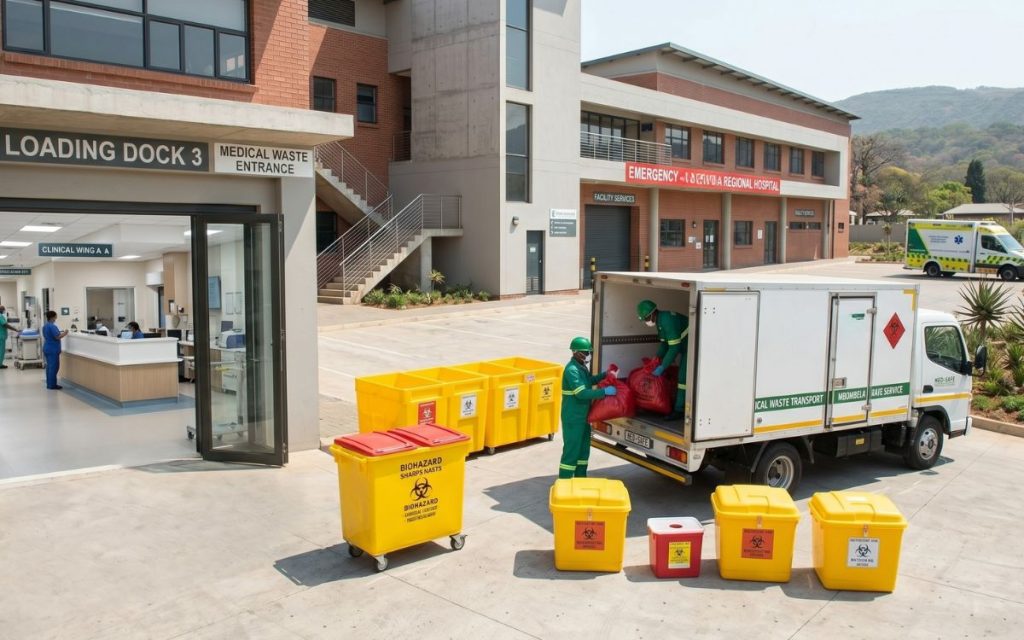
How Improper Waste Handling Creates OHS Risks
It is easy to see waste as an irritation rather than a hazard. But when waste management fails in a commercial setting, the impact is serious and visible. Below are five key risk areas to watch.
1. Pest Attraction and Infestation
Poorly contained or infrequently collected organic waste attracts rodents, cockroaches and flies, which spread disease. In workplaces where staff eat or handle food, this can trigger OHS and public health action against the employer.
2. Biohazard and Infectious Waste Exposure
In healthcare, labs and some offices, waste streams can include used gloves, swabs and contaminated packaging. If these are not kept separate from general waste, employees who handle bags or work near storage areas face real exposure risk under the OHS Act.
3. Fire Risk from Combustible Waste Accumulation
Cardboard, paper, packaging and some chemical waste products can burn easily. If they build up in storerooms, loading bays or back-of-house areas, the fire load rises and you risk breaking the OHS Act and local fire by-laws.
4. Chemical and Hazardous Waste Mismanagement
Cleaning chemicals, fluorescent tubes, batteries, printer cartridges and aerosol cans are often treated as general waste, even though NEMWA classifies many of them as hazardous. Mixing them into normal waste or sending them out via standard municipal collection can cause chemical reactions, toxic exposure and environmental harm that will require emergency cleaning.
5. Inadequate Signage and Segregation
Even with the right bins, unclear labels and weak training mean waste ends up in the wrong containers. This harms recycling efforts and, more importantly, allows hazardous materials to be handled without the right care, which breaks the OHS requirement to identify hazards and inform employees.
What Workplace Waste Disposal Regulations Require in Practice
Understanding the rules is one thing. Turning them into daily habits is another. Here is what workplace waste disposal regulations require of South African businesses at an operational level:
- Waste Classification: You must be able to identify whether your waste streams are general or hazardous waste as defined under NEMWA. If you are unsure, a professional waste assessment will clarify your duties.
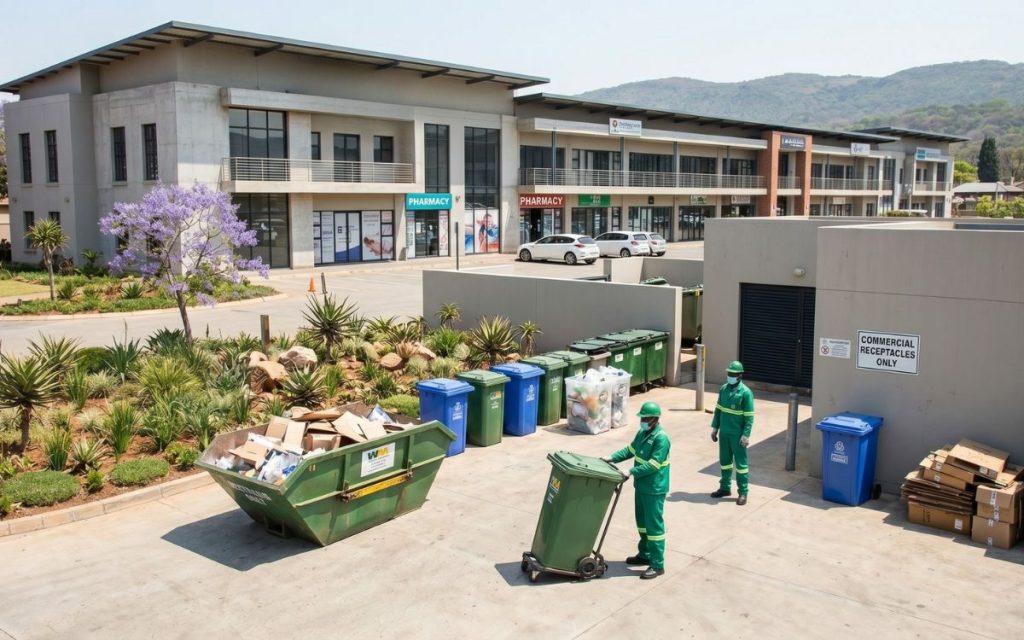
- Appropriate Storage: Waste must be stored in suitable, clearly labelled containers. You need separate streams for general, recyclable and hazardous waste. Storage areas should not create health or fire risks.
- Scheduled Collection: Waste must be collected often enough to prevent build-up. The right schedule depends on your waste volume, but the rule of thumb is simple: no waste should be allowed to create a hazard.
- Licensed Disposal: Hazardous waste, and in many cases general commercial waste, must be disposed of by a registered waste management service provider. Using an unlicensed contractor does not protect you. It increases your risk.
- Documentation and Chain of Custody: NEMWA requires a documented disposal trail for hazardous waste. This includes waste manifests, collection records and proof of disposal at a licensed facility. These records are your evidence of commercial waste management compliance if you are inspected.
- Employee Training: Staff must understand how to separate waste correctly, what counts as hazardous waste in your environment and what to do if a waste-related incident happens.
How a Professional Waste Management Programme Delivers Compliance
Many businesses try to manage waste compliance in-house and find it takes more time, admin and technical knowledge than expected. A professional commercial waste management compliance programme helps you meet workplace waste disposal regulations in a structured, reliable way. It offers:
Documented Disposal Trails
You receive collection logs, waste classifications and disposal certificates from licensed facilities so you can show compliance with the OHS Act and NEMWA in any audit or inspection.
Correct Segregation and Hazardous Waste Handling
A professional provider sets up clear waste stations, label containers and train staff so hazardous and general waste stay separate, and our trained teams handle hazardous waste safely with proper PPE.
Scheduled Collection that Prevents Build-Up
Collection schedules are matched to your waste volumes and operating hours so bins do not overflow, waste does not build up, and health and fire risks are kept under control.
Practical Takeaways for Facilities Managers
If you manage a commercial building or a multi-site portfolio, here are five steps to assess and improve your waste management OHS compliance position:
- Audit Your Waste Streams: Identify the types of waste your facility creates and whether any of it is hazardous under NEMWA. If you do not know, find out. Lack of knowledge is not a legal defence.
- Review Your Collection Schedule: Check whether waste is collected often enough to prevent build-up. Look at collection areas. They should be free of overflow, pests and strong odours.
- Check Your Contractor’s Credentials: Confirm that a licensed provider collects and disposes of your waste. Make sure you can produce waste manifests and disposal certificates if asked.
- Assess Your Segregation Setup: Check that bins are correctly labelled and that separate streams are clear. Test whether employees know what goes where.
- Improve Your Documentation: Start building or updating your waste records now. A clear, consistent paper trail is your best protection in any workplace waste disposal regulations, audit or incident review.
Take the Next Step Toward Full Compliance
Waste management OHS compliance in South Africa is a real obligation to protect your people, your buildings and your business from health risks, fire hazards and legal action under the OHS Act and NEMWA.
Cleaning Africa Services helps businesses across South Africa design and run professional, documented and compliant waste management programmes. We support clients in Johannesburg,Cape Town,Durban and surrounding areas. Request a free quote, and we can help you build a programme that meets both your legal duties and your day-to-day operational needs.