Most business owners treat a pest sighting as a facilities management issue, something to be handled quietly and quickly. In reality, a pest infestation in your workplace is a direct threat to your pest control OHS compliance workplace obligations. Ignoring it can expose your organisation to failed inspections, financial penalties, and serious reputational harm.
Under the Occupational Health and Safety Act (OHS Act) of South Africa, employers have a clear duty to provide and maintain a working environment that is safe and without risk to the health of employees. Pests, whether rodents, cockroaches, flies or other vermin, contaminate surfaces, spread disease, compromise food safety, and can damage property.
Understanding the link between pest management and occupational health and safety helps businesses act early, stay compliant and protect the people who keep their operations running.
If you are wondering what pest control actually means in a workplace context, it refers to the systematic management and elimination of pest species that pose a risk to human health, property, or product integrity. In South Africa, this includes regulated use of licensed operators, approved pesticides, and documented treatment programmes aligned with occupational health and safety requirements.
The OHS Act and Your Duty as an Employer
The Occupational Health and Safety Act places a clear and enforceable obligation on every employer to ensure, as far as is reasonably practicable, the health, safety and welfare of all persons at work. This duty goes beyond physical equipment and machinery. It covers the cleanliness, hygiene and overall condition of the work environment itself.
A pest infestation directly undermines this obligation in four key ways:
- Health risk: Rodents and insects are known carriers of disease. Their presence in a workplace creates a real, documented health hazard for employees and visitors.
- Contamination: In environments where food, beverages, pharmaceuticals or medical equipment are handled, pest activity can lead to product contamination. This can trigger liability that extends beyond the OHS Act alone.
- Structural and electrical damage: Rodents often gnaw through electrical cabling. This creates fire risks and additional safety exposures that increase an employer’s legal vulnerability.
- Failure to act: If an employer is made aware of a pest problem and fails to respond with adequate, documented measures, this can be seen as a wilful disregard of the duty of care. This is a position no organisation wants to defend before a labour inspector or in court.
OHS Act pest control requirements are not a once-off exercise. Compliance needs ongoing attention, regular inspection and a clear record of preventive and corrective action. This is where professional, integrated pest control becomes not only useful but legally essential.
Poor Sanitation and Pest Risk: A Direct Connection
Pest infestations rarely appear without cause. In most commercial settings, they result from weak or inconsistent sanitation practices. This is where the relationship between professional cleaning and OHS Act pest control requirements becomes clear.
Five common sanitation failures that increase pest risk include:
- Infrequent or inadequate cleaning of food preparation and storage areas
- Poorly managed waste bins and disposal areas, particularly in kitchens and canteens
- Uncleaned grease traps, drainage systems, and floor channels
- Clutter and storage areas that provide harbourage for rodents and insects
- Inconsistent cleaning of staff break rooms and ablution facilities
Once pests establish a presence, they are harder and more costly to remove than they would have been to prevent. A structured, professional commercial cleaning programme that covers these risk areas consistently is one of the most effective forms of pest prevention available to any business.
Which Sectors Face the Highest Regulatory Exposure?
These four sectors face the highest regulatory scrutiny when it comes to workplace pest control and OHS compliance.
Food Production and Processing
The food industry operates under some of the strictest hygiene and safety regulations in South Africa. Pest activity in a food production environment can trigger action under the OHS Act, food safety laws and regulations that protect product integrity. A single failed inspection in this sector can lead to production shutdowns, product recalls and major financial loss, along with serious damage to a brand built over years.
Healthcare and Pharmaceutical Facilities
Hospitals, clinics, laboratories and pharmaceutical manufacturing facilities have almost zero tolerance for contamination. Pests in these settings create a direct risk to patient safety, sterile environments and regulatory status. Facilities that cannot show a rigorous, documented pest prevention programme face serious consequences during accreditation audits and regulatory inspections.
Hospitality and Food Service
Hotels, restaurants, lodges and catering operations are among the most visible businesses in any community. A single workplace pest infestation legal liability finding, or even a pest sighting reported by a guest or shared on social media, can cause immediate reputational damage. These businesses are subject to regular inspections by municipal environmental health officers, and a negative finding can result in closure orders, fines and licence reviews.
Warehousing, Logistics, and Retail
Large storage and retail environments carry a high pest risk due to the volume of goods, the complexity of the space and the challenge of maintaining consistent hygiene everywhere. Rodent activity in a warehouse can damage stock, weaken packaging and create conditions for broader contamination. All of this has commercial and compliance consequences, especially for commercial pest control compliance South Africa regulators expect.
What Documentation Do You Actually Need?
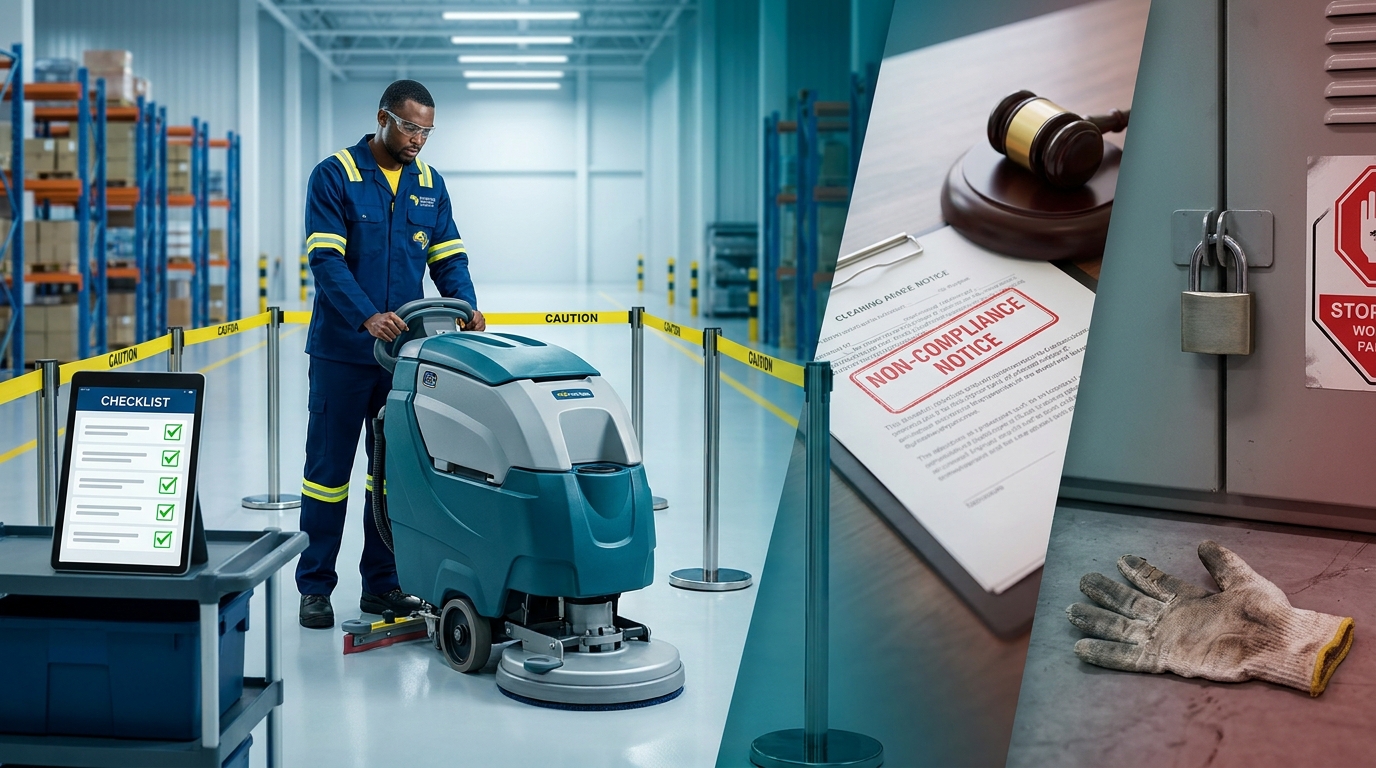
One of the most overlooked parts of commercial pest control compliance in South Africa is documentation. If your business faces an OHS inspection, a client audit or a legal claim related to a pest incident, your ability to show a proactive, systematic approach to pest management is critical. It can be the difference between a satisfactory outcome and a damaging one.
A compliant pest management programme should produce and keep the following five elements:
- Site inspection and reports that record the condition of the premises at each visit
- Treatment records that detail what was applied, where and by whom, including proof of registered pesticides and licensed operators
- Pest activity logs that track sightings, evidence and trends over time
- Corrective action records that show how identified issues were followed up and resolved
- Staff communication records where relevant, showing that employees have been informed of pest risks and hygiene expectations
This kind of documentation does not appear by chance. It comes from working with a professional pest control provider who understands compliance and builds it into their service from day one.
How Much Does Commercial Pest Control Cost in South Africa?
This is one of the most searched questions on the topic, and the honest answer is that it depends on several factors specific to your premises and situation. There is no single flat rate for commercial pest control in South Africa.
The main factors that influence pricing include:
- Site size and complexity: A single-floor office requires a very different scope of work than a multi-level warehouse or a food production facility with processing lines, cold storage, and drainage channels.
- Type and severity of infestation: A preventive maintenance visit costs considerably less than a reactive treatment for an established rodent or cockroach infestation. Early intervention is almost always more cost-effective.
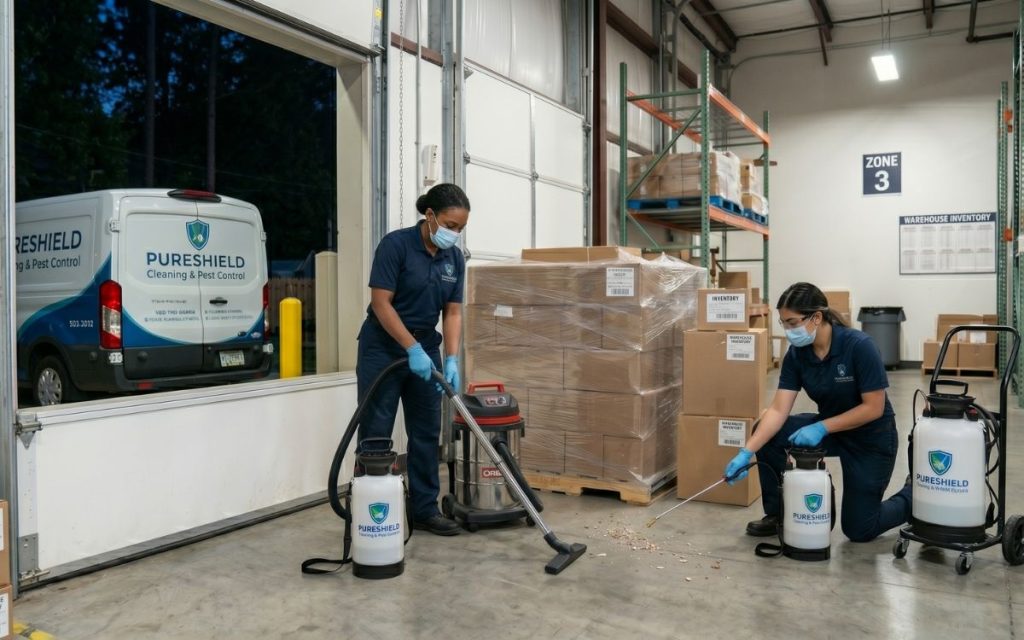
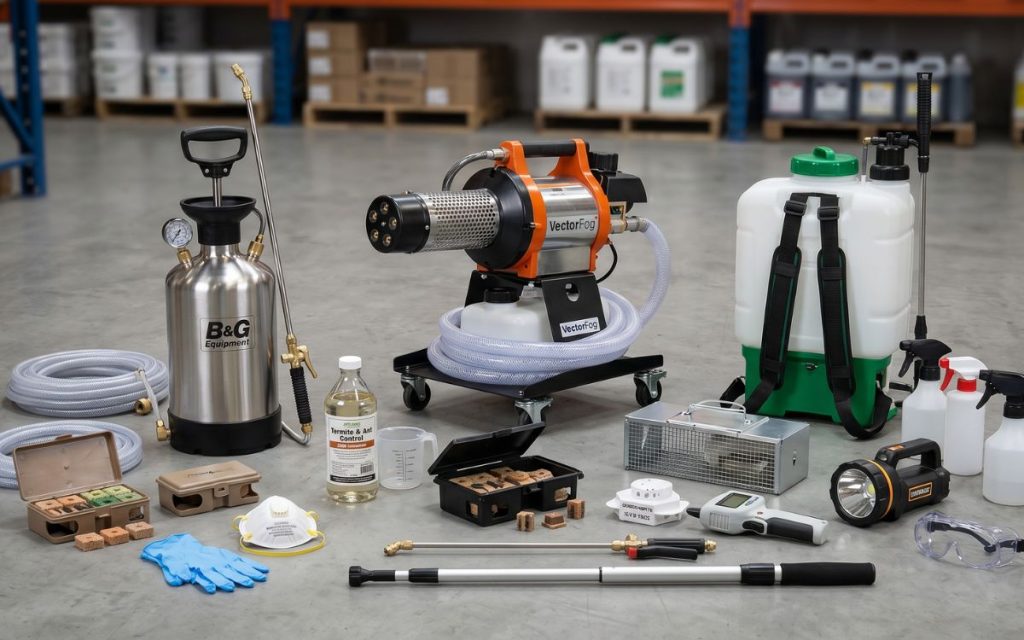
- Treatment method: Different pest types require different approaches. Residual insecticide applications, ULV cold misting, bait stations, thermal fogging, and pesticide-free traps each carry different cost implications.
- Frequency of service: Ongoing contract-based pest management, with scheduled visits and documentation, is typically priced differently from once-off callouts.
- Compliance requirements: Sectors with stricter regulatory obligations, such as food production, healthcare, and hospitality, generally require more rigorous programmes. This is reflected in the service scope and cost.
For accurate pricing, request a site assessment from a licensed pest control operator. A professional provider will inspect your premises, identify risk areas, and provide a written proposal that matches your compliance obligations. Guessing at cost without a site visit almost always leads to either underservicing your risk or overpaying for treatment you do not need.
If your business currently has no formal pest control programme in place, the more relevant question is not what it costs to treat, but what it costs not to. A failed OHS inspection, a product recall, a closure order, or reputational damage from a guest complaint can far exceed the annual cost of a well-managed prevention programme.
How to Choose a Pest Control Provider for OHS Compliance
Not every pest control company operates at the same standard, and in a compliance context, the difference matters. When selecting a provider for your business, consider the following:
- Registration and licensing: In South Africa, pest control operators who apply pesticides commercially must be registered with the Department of Agriculture, Land Reform and Rural Development (DALRRD). Always verify this before signing a contract.
- Membership of a recognised industry body: Membership of an organisation such as SAPCA (South African Pest Control Association) indicates a commitment to professional standards and ongoing competency.
- Compliance documentation: A credible provider will produce proper site inspection reports, treatment records, pest activity logs, and corrective action reports as a standard part of the service, not as an optional extra.
- Integrated pest management approach: Look for providers who combine preventive measures, monitoring, and targeted treatment rather than defaulting to blanket chemical applications. This approach is more effective, safer for your people, and more defensible under the OHS Act.
- Industry experience: A provider who has worked in your sector understands the regulatory environment you operate in. This matters significantly in food production, healthcare, and hospitality.
- Responsiveness: Pest issues do not always arrive on schedule. Your provider should be reachable and able to respond to urgent callouts between scheduled visits.
A pest control contract is not just a facilities expense. In the context of OHS compliance, it is a legal safeguard. Choose a provider who treats it the same way.
Pest Control and Cleaning: Two Parts of the Same Obligation
Pest management does not sit in isolation from the rest of your workplace hygiene programme. The two are directly connected, and gaps in one will almost always create problems in the other.
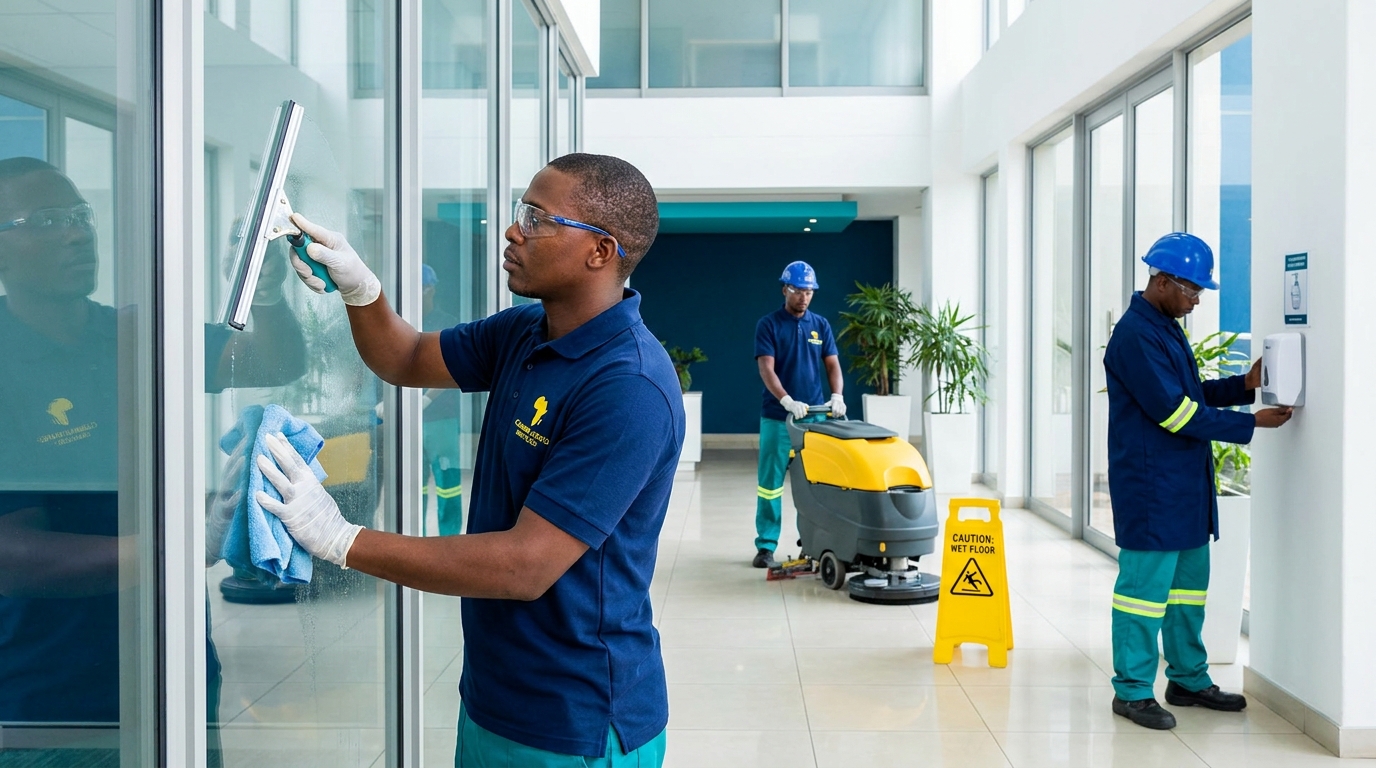
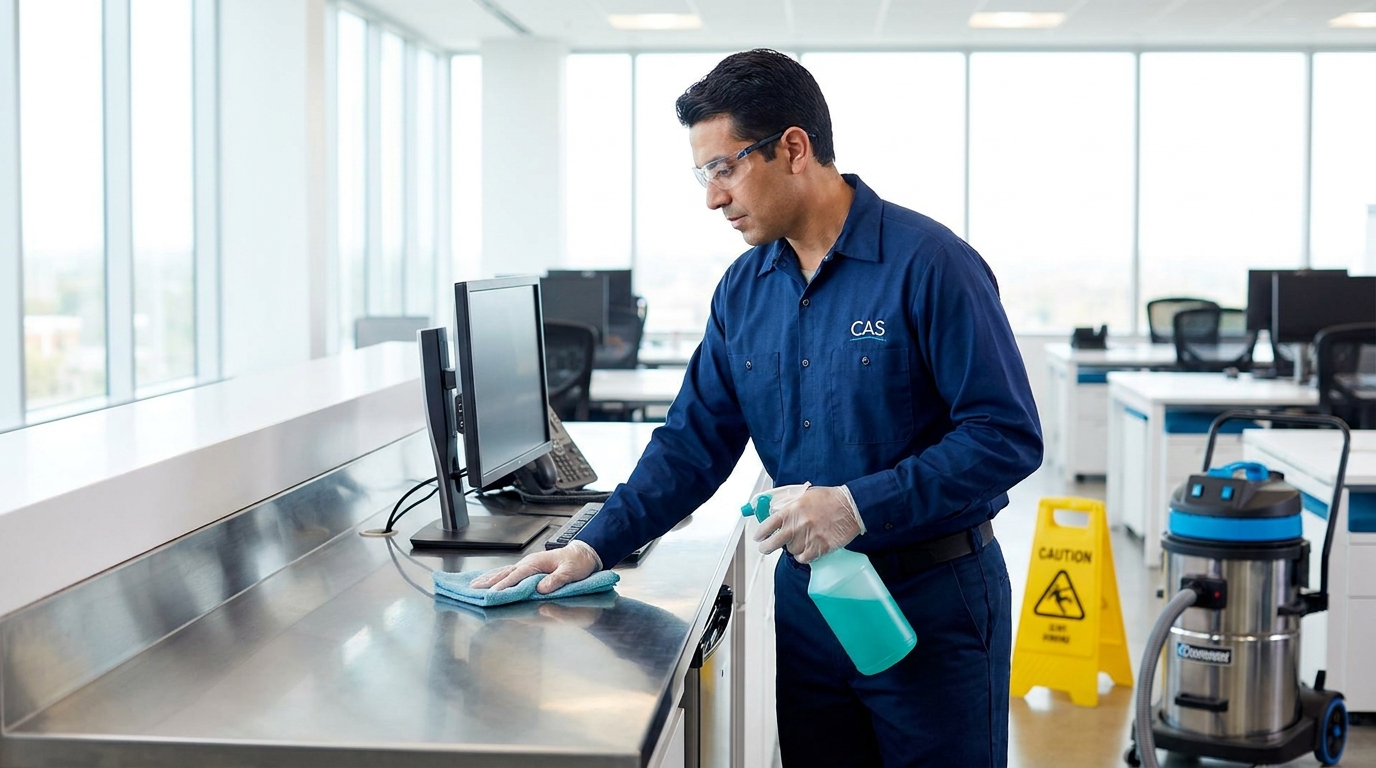
A professional commercial cleaning programme addresses the sanitation conditions that allow pests to establish themselves in the first place. Consistent cleaning of high-risk areas, correct waste management, and maintained hygiene across ablutions, kitchens, and canteens reduce the conditions that attract and sustain pest activity. Once a pest control treatment has been carried out, ongoing cleaning helps to prevent reinfestation.
Our article on Facilities Regulations and OHS Act compliance covers the broader cleaning obligations that sit alongside pest control requirements. Reading both together gives a clearer picture of what a fully compliant workplace hygiene programme looks like in practice.
At Cleaning Africa Services, we work with businesses across South Africa to deliver structured, professional cleaning programmes that support pest prevention and OHS compliance. If you want to understand where your current programme may be creating risk, speak to our team for a no-obligation assessment.